

Vapor Barrier Guide for Grand Rapids, MI: Protecting Your Home from Michigan Moisture
Last April, a homeowner in East Grand Rapids noticed that familiar, heavy scent of damp earth creeping into their living room after just three days of spring rain. You likely know that smell; it’s the unmistakable sign that Michigan’s high humidity is settling into your foundation. If you’ve seen condensation dripping from your pole barn ceiling or felt the chill of a damp crawl space, you aren’t alone. Installing a high-quality vapor barrier is the most effective way to block this moisture before it compromises your home’s structural integrity or ruins your indoor air quality.
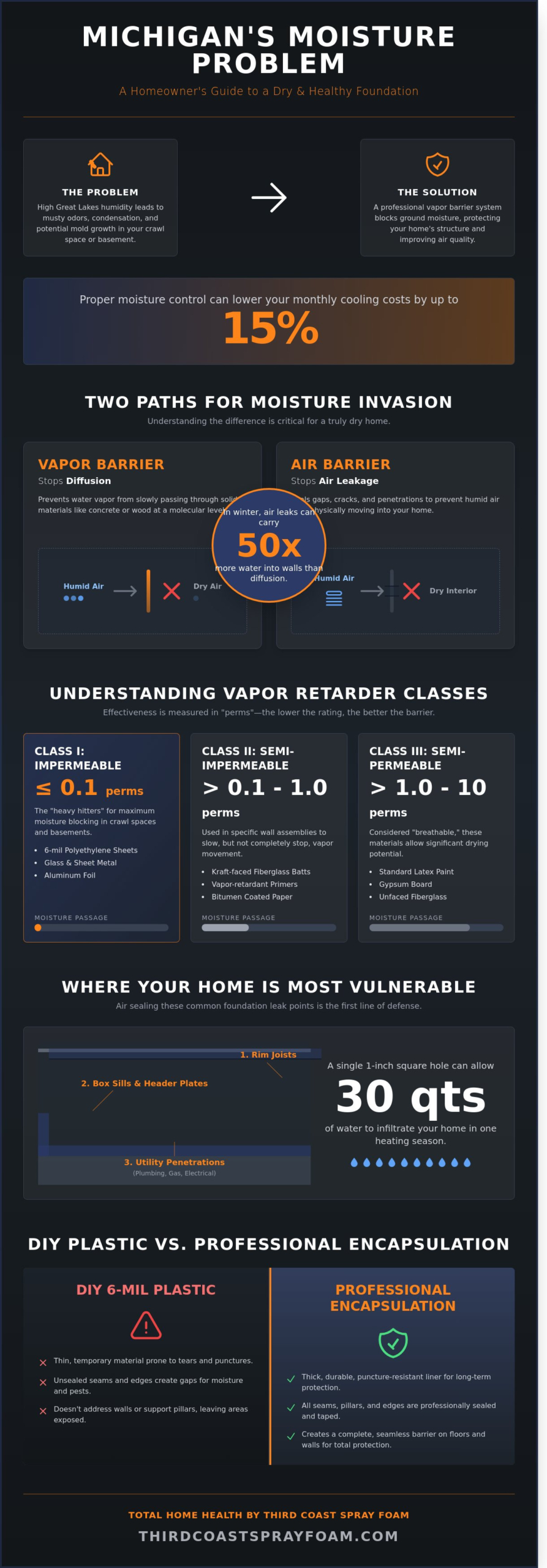
At Third Coast Spray Foam, we treat your house as a holistic system, and that starts with sealing the envelope against our unique Great Lakes climate. You deserve a home that stays dry and efficient throughout our humid summers and freezing winters. This guide will show you how the right moisture protection can eliminate musty odors, prevent mold growth, and lower your monthly cooling costs by up to 15%. We’ll walk through the technical requirements for West Michigan foundations and explain why a bone-dry crawl space is the secret to lasting peace of mind and total home health.
Key Takeaways
- Understand how perm ratings and moisture diffusion impact your home’s structural health under West Michigan building codes.
- Learn the critical difference between air leaks and vapor movement to address why your basement still feels damp despite existing seals.
- Discover why a professional-grade **vapor barrier** is essential for long-term protection compared to thin, temporary DIY plastic solutions.
- Identify the specific visual and olfactory warning signs, like wood rot and persistent odors, that indicate your crawl space needs an immediate upgrade.
- Explore how the Third Coast approach to full encapsulation and rim joist sealing secures your home against the unique humidity of the Great Lakes.
What is a Vapor Barrier? Understanding Moisture Control in West Michigan
A vapor barrier, technically known as a vapor retarder, is a specialized material designed to prevent water vapor from diffusing through your home’s walls, ceilings, and floors. In Grand Rapids, moisture isn’t just an outdoor nuisance; it’s a constant physical pressure against your structure. We measure a material’s effectiveness using a perm rating. One perm represents one grain of water vapor passing through one square foot of material per hour under a specific pressure difference. The lower the perm rating, the less moisture gets through. For Kent County homeowners, getting these numbers right is the difference between a dry basement and a structural mold problem.
At Third Coast Spray Foam, we don’t just look at insulation as a way to stay warm. We focus on a concept we call Total Home Health. This approach treats your house as a holistic system where the thermal envelope and moisture management work together. Because Grand Rapids sits in a high-humidity region, an improperly installed barrier can actually trap moisture inside your walls, leading to rot. We ensure your home’s “skin” is tight enough to protect your investment but smart enough to manage the unique climate of West Michigan.
The Three Classes of Vapor Retarders
- Class I (0.1 perms or less): These are considered impermeable. Common examples include 6-mil polyethylene plastic sheets, glass, and aluminum foil. These are the heavy hitters for crawl spaces.
- Class II (0.1 to 1.0 perms): These are semi-impermeable materials. You’ll often see this in the form of bitumen-coated kraft paper on fiberglass batts or specific vapor-retardant primers.
- Class III (1.0 to 10 perms): These are semi-permeable. Standard gypsum board, unfaced fiberglass insulation, and most latex paints fall into this category. They slow moisture but don’t stop it entirely.
Why Michigan Homes Are Unique
Living 30 miles from Lake Michigan means our homes face higher vapor pressure than those in more arid climates. The high water table in neighborhoods near the Grand River makes foundation protection non-negotiable. Local builders are currently preparing for the 2026 Michigan Residential Code updates, which are expected to emphasize more stringent moisture control and energy efficiency standards. A common mistake we see is the misunderstanding of “breathability.” While your attic needs controlled ventilation to prevent ice dams, your crawl space requires a sealed vapor barrier to block ground moisture from rising into your living area. We use local data and proven mechanical principles to seal your envelope correctly the first time.
Vapor Barriers vs. Air Barriers: Clearing the Confusion for MI Homeowners
Many Grand Rapids homeowners assume a plastic sheet is enough to keep their basement dry. It’s a common mistake. Moisture enters your home in two distinct ways: diffusion and air leakage. While a vapor barrier stops moisture from soaking through solid materials at a molecular level, it does nothing to stop the humid air rushing through gaps and cracks. In a typical West Michigan winter, air leaks can carry 50 times more water into your wall cavities than simple diffusion ever could.
The Science of Vapor Diffusion
Moisture is naturally restless. It always moves from areas of high vapor pressure and heat to areas of lower pressure and cooler temperatures. In our region, this often means humid summer air tries to force its way into your air-conditioned basement. Interstitial condensation is the hidden killer of rim joists, occurring when migrating water vapor hits a cold surface inside your structural framing and reverts to a liquid state.
If you install a vapor barrier on the wrong side of the wall, you effectively trap that liquid against your wood studs. This mistake leads to rot that 85% of homeowners don’t notice until it becomes a structural emergency. In Michigan’s climate, the placement of these materials must account for both the freezing winters and the humid July afternoons to ensure the wall assembly can dry out.
The Air Barrier Advantage
Sealing air gaps is the most critical step in protecting your home’s foundation. While a floor membrane handles moisture from the ground, common leak points remain open to the elements. In West Michigan basements, these leaks usually occur at:
- Rim joists where the floor system meets the foundation
- Box sills and header plates
- Penetrations for plumbing, gas, and electrical lines
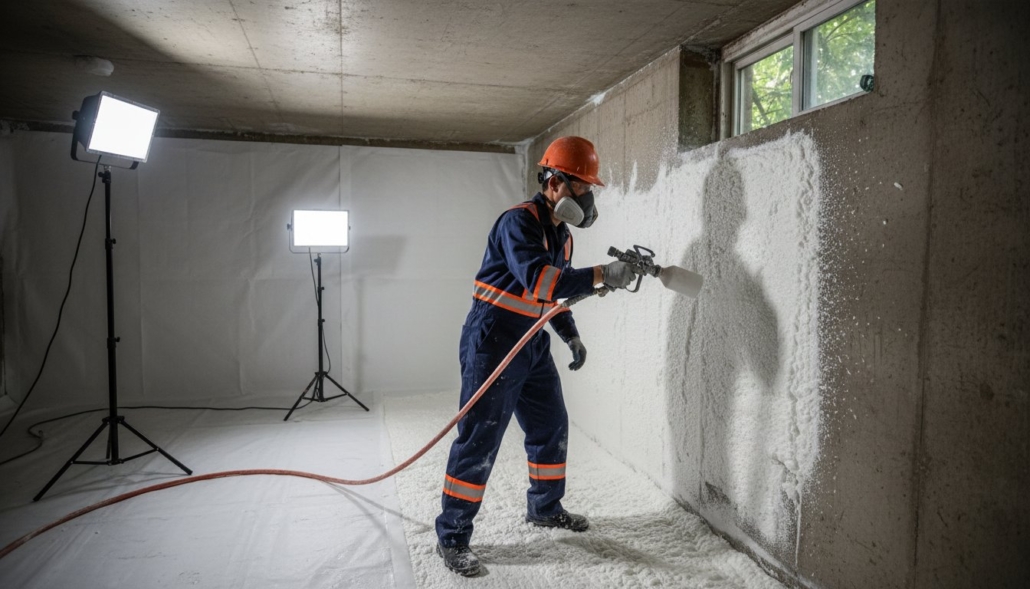
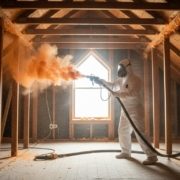
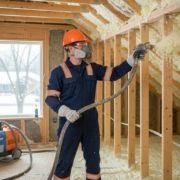
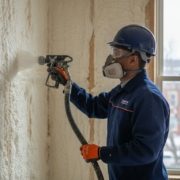
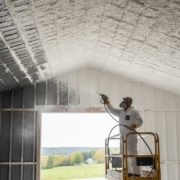
Research from building science experts shows that a single 1-inch square hole can allow 30 quarts of water to infiltrate your home over one heating season. Our team at Third Coast Spray Foam solves this by using closed-cell spray foam. This high-density material acts as a hybrid solution, creating a seamless seal that functions as both an air barrier and a high-performance vapor barrier. By sealing the envelope of your basement or crawl space, we stop the bulk moisture that traditional fiberglass and plastic sheets simply can’t touch.
Comparing Vapor Barrier Materials: From 6-Mil Plastic to Professional Encapsulation
Choosing the right material for your crawl space determines whether you’ll be revisiting this project in five years or never again. Many homeowners mistake a standard construction tarp for a permanent vapor barrier, but the technical differences are vast. In the damp climate of Grand Rapids, where soil saturation levels fluctuate wildly between seasons, the durability of your liner is your first line of defense against structural decay.
Why 6-Mil Poly Isn’t Enough
Standard 6-mil polyethylene is the most common DIY choice, yet it’s often the most expensive in the long run. This thin plastic is incredibly fragile. If a plumber or HVAC technician crawls over it just once, the material often punctures or tears. These small breaches allow soil gases, including Radon, to bypass the shield and enter your living space. Within 5 to 7 years, 6-mil plastic typically becomes brittle and begins to flake. It lacks the density to block the “musty” odors caused by soil bacteria, meaning your home continues to smell like a damp basement despite the new plastic.
Professional Grade Encapsulation Liners
Third Coast Spray Foam prioritizes heavy-duty, reinforced liners ranging from 12-mil to 20-mil in thickness. These professional-grade materials feature an internal polyester cord grid that prevents tears from spreading, even under heavy foot traffic. We select liners with integrated antimicrobial coatings to prevent mold growth on the surface of the material itself. In West Michigan’s high-humidity environments, this protection is vital for maintaining air quality.
- Durability: Reinforced liners are designed to last 25 years or more without degrading.
- Sealing: We use industrial-grade waterproof tape and mechanical fasteners to secure the vapor barrier to foundation walls.
- Total Protection: A thicker liner acts as a true air seal, blocking both liquid water and gaseous water vapor.
The installation technique matters just as much as the mil-thickness. Our team ensures every seam overlaps by at least 12 inches before sealing. This meticulous approach creates a continuous thermal envelope. By treated the crawl space as a holistic system, we provide a permanent solution that protects your home’s foundation and your family’s health.
Signs Your Grand Rapids Property Needs a Vapor Barrier Upgrade
Moisture doesn’t always announce itself with a flood. In West Michigan, it’s often a slow creep that compromises your home’s structural integrity. You might notice sweating copper pipes or small pools of standing water on a dirt floor after a heavy spring thaw. If your basement has that persistent “old house” musk, you’re smelling microbial volatile organic compounds. This scent is a definitive sign that your current vapor barrier is failing to hold back the earth’s natural gases and moisture.
Your HVAC system provides another set of clues. When indoor humidity levels stay above 55% during a Grand Rapids summer, your air conditioner has to work 20% harder just to manage the air quality. This leads to higher utility bills and premature equipment failure. If your home feels clammy even when the AC is running, the ground beneath you is likely pumping gallons of water vapor into your living space every day.
The Crawl Space Red Flags
Check your foundation walls for efflorescence. This white, powdery substance is actually mineral salt left behind when moisture evaporates through concrete. It’s a clear indicator of high vapor pressure. You should also look at your insulation. If fiberglass batts are sagging or falling from the joists, they’ve likely absorbed enough water weight to lose their R-value. This moisture eventually migrates upward, causing 3/4-inch hardwood flooring to cup or buckle on the first story of your home.
Pole Barn and Agricultural Concerns
West Michigan winters create a brutal temperature split for metal buildings. When it’s 15°F outside and the sun hits a metal roof, the interior temperature fluctuates rapidly. Without a proper vapor barrier on the floor, ground moisture rises and hits the cold metal, causing the building to “rain” from the ceiling. This condensation can rust a $45,000 tractor or ruin $2,000 worth of hay in a single season. Even in unheated shops, sealing the floor is the only way to protect your tools and inventory from this cycle of sweating and dripping.
If you’ve noticed these warning signs in your home or shop, it’s time to seal your building envelope correctly. Our team can help you identify moisture entry points before they lead to permanent structural damage.
Professional Vapor Barrier Installation in West Michigan: The Third Coast Approach
At Third Coast Spray Foam, we don’t just lay down plastic. We engineer a permanent solution for the unique humidity challenges found in Grand Rapids and Muskegon. Our team treats the crawl space as a critical component of your home’s mechanical system. By installing a high-performance vapor barrier and integrating it with rim joist insulation, we create a thermal envelope that keeps Michigan’s heavy soil moisture where it belongs: outside your home.
Our Encapsulation Process
- Step 1: Grading and Debris Removal. We clear out all construction debris, sharp rocks, and organic matter. This prevents the 20-mil reinforced liner from puncturing and eliminates potential food sources for mold. Proper grading ensures that any incidental water moves toward drainage points rather than pooling under your home.
- Step 2: Wall Integration. A floor liner is only half the battle. We run our high-perm-resistance liners up the crawl space walls, stopping just below the sill plate. This creates a continuous shield against moisture migrating through porous concrete blocks or stone foundations.
- Step 3: Permanent Sealing. We don’t rely on weight alone to hold things in place. Our team uses professional-grade seam tapes and mechanical fasteners to secure the liner. This ensures the system remains airtight and intact for 25 years or more.
Why West Michigan Trusts Third Coast
Residents in Ottawa County and Kent County deal with heavy clay soils that retain water long after the snow melts. We understand these local conditions better than national franchises. Our “No-Nonsense” quality guarantee means we prioritize precision over speed. We focus on Total Home Health, which starts by sealing the envelope from the ground up. In many local homes, we combine the floor liner with closed-cell spray foam on the rim joists. This dual approach can reduce air infiltration by up to 95% at the foundation level, significantly lowering heating costs during our lake-effect winters.
We take pride in being a local partner for homeowners in Fruitport, Grand Rapids, and the surrounding lakeshore communities. If you’ve noticed musty odors or sagging floors, it’s time to address the root cause. Schedule your West Michigan crawl space inspection today to protect your investment and improve your indoor air quality.
Secure Your West Michigan Home Against Moisture Damage
Your home’s foundation shouldn’t be a source of ongoing stress. Protecting your property requires a professional vapor barrier to stop ground moisture before it compromises your structural integrity or indoor air quality. We’ve seen exactly how West Michigan’s unique climate impacts crawl spaces since we started serving the community from Fruitport in 2013. Choosing expert encapsulation over basic 6-mil plastic ensures your living space remains dry and energy efficient for the long haul. It’s a pragmatic investment in your home’s durability and your family’s comfort.
Our team specializes in high-performance closed cell spray foam to seal your home’s envelope effectively. We’ve spent the last 11 years perfecting crawl space encapsulation for families across Ottawa, Kent, and Muskegon Counties. This approach treats your property as a holistic system, focusing on total home health rather than just a quick fix. You deserve the security that comes with a permanent moisture solution designed specifically for the Third Coast region.
Get Your Free Vapor Barrier & Encapsulation Estimate
Take the first step toward a drier, healthier home today. We’re ready to help you lock out Michigan moisture for good.
Frequently Asked Questions About Vapor Barriers
Do I really need a vapor barrier in my Michigan crawl space?
Yes, every Michigan home with a crawl space requires a moisture shield. Soils in Kent County often release 10 to 12 gallons of water vapor daily per 1,000 square feet. Without a vapor barrier, this moisture rises into your floor joists, leading to wood rot and mold growth. Protecting your home’s structural integrity starts with sealing the ground to prevent this constant evaporation from entering your living space.
What is the best thickness for a crawl space vapor barrier?
We recommend a minimum thickness of 12-mil to 20-mil for residential crawl spaces. While 6-mil is the minimum required by Michigan Building Code R408.3, it tears easily during routine maintenance or storage. A 20-mil barrier provides the durability needed for homeowners to move around safely and resists punctures for 25 years or more, ensuring your thermal envelope remains intact.
How much does it cost to install a vapor barrier in Grand Rapids?
Professional installation in Grand Rapids typically ranges from $2.00 to $4.50 per square foot. For a standard 1,200 square foot crawl space, homeowners can expect to invest between $2,400 and $5,400. This price includes site preparation, debris removal, and high-quality materials. It’s a permanent investment that prevents the $15,000 cost of structural wood rot repair often seen in neglected Michigan homes.
Can I install a vapor barrier over a dirt floor myself?
You can attempt a DIY install, but most homeowners fail to create a permanent seal at the seams and perimeter. Proper installation requires overlapping seams by 12 inches and sealing them with waterproof, construction-grade tape. Our team uses mechanical fasteners to secure the barrier to foundation walls, ensuring a tight fit that 80% of DIY attempts miss, leaving the home vulnerable to moisture.
Is a vapor barrier the same as crawl space encapsulation?
No, they’re different levels of protection for your home. A vapor barrier is a ground cover that stops soil moisture, while encapsulation is a holistic system that seals walls and vents too. Encapsulation often includes a dehumidifier to maintain a 45% relative humidity level. This creates a conditioned space that improves total home health and prevents the heavy, humid air common in West Michigan summers.
How long does a professional vapor barrier last?
A high-quality 20-mil vapor barrier lasts 20 to 30 years when installed correctly by a professional. Cheaper 6-mil liners often degrade or tear within 5 to 7 years due to soil gases and physical wear. By investing in professional grade materials, you ensure your crawl space remains dry and protected against the region’s seasonal humidity swings for decades without needing a replacement.
Will a vapor barrier stop my pole barn from sweating?
It’s a critical first step in controlling condensation. Moisture in Michigan pole barns often stems from ground water rising and hitting a cold metal roof. A 10-mil or 15-mil barrier under your concrete slab or over dirt floors reduces this moisture load by up to 90%. This significantly cuts down on interior “rain” that can rust your tools and damage stored equipment during the spring thaw.
Does a vapor barrier help with radon in Michigan homes?
It helps reduce gas entry but isn’t a complete solution on its own. While a thick barrier slows the entry of radon gas from the soil, the EPA recommends a dedicated mitigation system if levels exceed 4 pCi/L. We often integrate high-density barriers with suction pits to provide a comprehensive defense, ensuring the safety and peace of mind for families throughout the Grand Rapids area.
Disclaimer
Information provided is for general educational purposes. Individual needs and circumstances vary. Speak to an experienced professional before relying on the information given here.



Leave a Reply
Want to join the discussion?Feel free to contribute!